When it comes to marine applications, the importance of reliable and durable electrical connections cannot be overstated. Boats and other watercraft operate in harsh environments that can wreak havoc on standard electrical components. One of the best tools for ensuring the longevity and safety of these connections is heat shrink tubing. Here’s why heat shrink tubing is essential for marine applications and how to use it effectively.
What is Heat Shrink Tubing?
Heat shrink tubing is a type of plastic tubing that shrinks in diameter when heat is applied. It is commonly made from polyolefin, PVC, or fluoropolymers. When heated, it snugly conforms to the shape of the objects it surrounds, providing a protective barrier against moisture, corrosion, and abrasion.
1. Protection Against Moisture and Corrosion
Marine environments are notoriously humid and wet, leading to the risk of water damage and corrosion for electrical connections. Heat shrink tubing provides a watertight seal that protects wires and connectors from moisture infiltration. This is crucial for preventing short circuits and electrical failures that can occur when water comes into contact with exposed wiring.
Tips:
Choose Marine-Grade Tubing: Look for heat shrink tubing specifically designed for marine applications. These products often come with adhesive linings that create a stronger seal against moisture.
Proper Installation: Ensure that the tubing is fully shrunk over the connection and that there are no gaps where moisture could enter.
2. Durability and Abrasion Resistance
The marine environment can be tough on materials. From saltwater exposure to UV rays and physical abrasion, electrical components need to withstand significant wear and tear. Heat shrink tubing adds an extra layer of protection, making connections more resistant to damage from impacts and abrasion.
Tips:
Select the Right Thickness: Thicker tubing provides more durability but may be less flexible. Consider the specific application when choosing the thickness of the tubing.
Use with Additional Protection: For high-risk areas, consider combining heat shrink tubing with additional protective measures, like cable ties or conduit.
3. Vibration and Strain Relief
Boats experience a lot of movement and vibration while in motion, which can lead to loose connections and potential failures. Heat shrink tubing helps maintain the integrity of electrical connections by providing strain relief. This reduces the risk of wires becoming disconnected due to vibration.
Tips:
Use Heat Shrink with Built-in Strain Relief: Some heat shrink products come with additional features, such as a thicker wall or integrated adhesive, that further enhance strain relief.
Apply Heat Shrink to Entire Connection: Ensure that the tubing extends beyond the connection point to provide maximum support.
4. Simplified Installation and Aesthetic Appeal
Using heat shrink tubing can simplify the installation process for wiring in marine applications. It allows for a cleaner, more streamlined look and minimizes the need for additional electrical tape or connectors, creating a more professional finish.
Tips:
Pre-Cut Tubing: Cut the tubing to the appropriate length before starting your project to make installation easier and more efficient.
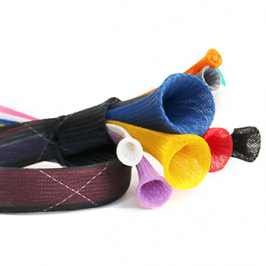
Use Color-Coded Tubing: Consider using color-coded heat shrink tubing for different applications or wiring types, making troubleshooting and repairs easier in the future.
5. Resistance to Chemicals and UV Exposure
Marine environments expose materials to various chemicals, including fuel, oil, and cleaning agents, as well as prolonged UV exposure. Heat shrink tubing designed for marine applications offers enhanced resistance to these elements, ensuring your connections remain intact and functional.
Tips:
Check Specifications: Always review product specifications to confirm that the heat shrink tubing you’re using is resistant to the specific chemicals and environmental conditions present in your application.
Reapply as Needed: Regularly inspect heat shrink tubing and replace it if it shows signs of wear, UV damage, or chemical exposure.
Conclusion
Heat shrink tubing is an invaluable asset for anyone involved in marine applications. Its ability to protect electrical connections from moisture, corrosion, and physical damage ensures the safety and reliability of your boat or watercraft. By selecting the right type of heat shrink tubing and using it correctly, you can extend the life of your electrical systems and enjoy worry-free adventures on the water. Don’t overlook this essential component—invest in quality heat shrink tubing for your next marine project!